

Kaleeka Sanskrit word meaning 'The Bud' 'Which is on The Cusp of Bloom'
Research by tHE gRID Architects Research and Design Studio
Research by tHE gRID Architects Research and Design Studio
The intent of Kaleeka is to identify and understand the environmental conditions; spatial, sensory and pedagogical; that consistently influence early human formation, and to build an interdisciplinary evidence base through which architecture can move from designing spaces for children to consciously designing conditions that nurture human flourishing
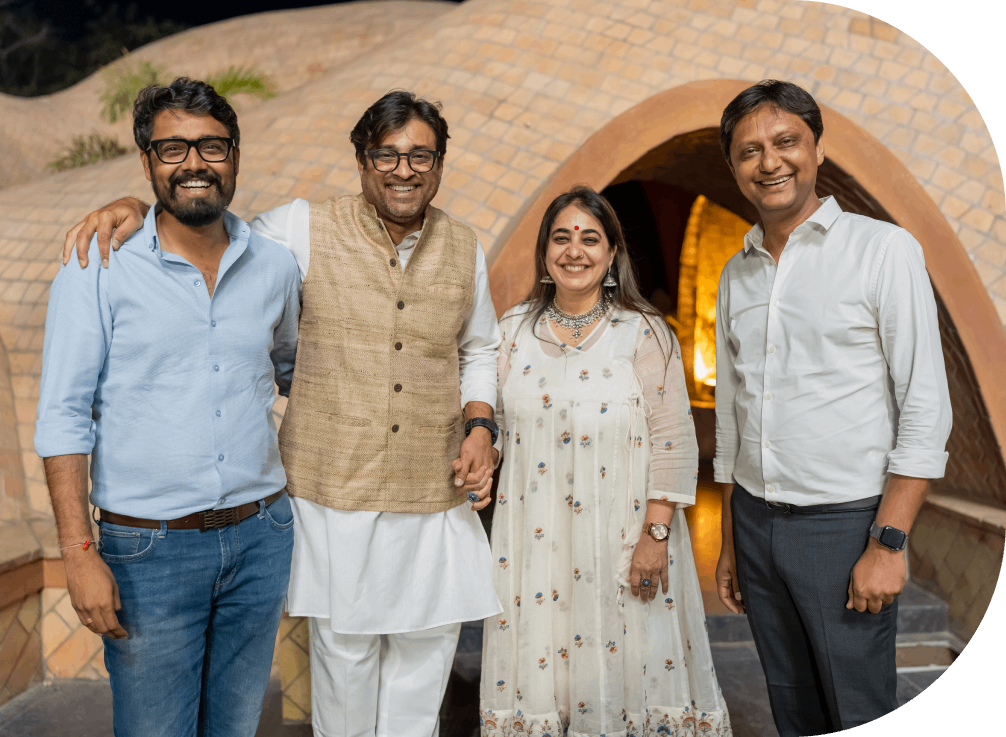
Aim: To establish an evidence base for the relationship between early spatial, sensory, and pedagogical environments and the quality of human formation they produce — across cognitive, emotional, and relational dimensions.
The first five years of life are the most neurologically consequential a human being will ever live through. Sensory encounter in this window is not preparation for learning but is learning. The neural infrastructure underlying language, empathy, and creative thought is built in direct response to the quality of what the child meets in these years. Deprive the brain of that encounter and it does not simply learn less. It builds differently.
But the evidence of that building does not stay in early childhood. It travels. The adolescent who cannot sit with silence. The young adult who is capable, well-informed, and unacquainted with themselves. These are not individual failures. They are patterns — consistent enough to constitute a serious question.
Kaleeka as a research initiative, is not looking to produce a perfect child. It is interested in producing an understanding of a more complete human being ; one who understands that emotional intelligence is not the soft alternative to intellectual intelligence, but its very foundation. A person who can feel the weight of a decision and remain present to another human being is not less capable than one who cannot. They are more so.
Drawing on developmental neuroscience, Vedic epistemology, clinical observation, and community testimony, we ask what the environment either builds or takes away.
For architects and spatial planners, this inquiry carries particular weight ; because space is not the backdrop to formation. It is one of its primary instruments. Kaleeka exists to deepen our understanding of what it means to design not for efficiency, but for the conditions under which a human being most fully comes into themselves.
They are operating at the highest level of Bloom's revised taxonomy: hypothesising, testing, evaluating, revising (Anderson & Krathwohl, 2001; Vygotsky, 1967). The error is to assume that higher-order thinking begins in a classroom.
Kaleeka is a cross-disciplinary research initiative studying the conditions of early human formation and the patterns they produce across a lifetime.

Niraj Shah, an alumnus of School of Interior Design, CEPT, Ahmedabad, co-founded ido design and ido graph 22 years back, with his partner and wife Minali Verma , also a CEPT alumni. ido design, is a multi disciplinary firm with 2 main verticals, Interior Design and Graphic Design. idograph, the Graphic design arm works on Brand Identity, Strategy and Advertising. A Tedx Speaker, Niraj was also on board the Oscars Panel as Art Director, for selection of Indian Film representation at the Academy Awards 2020.On the National Executive Committee of IIID 2022-25, and Past Chairperson IIID Ahmedabad Regional Chapter, 2017-2019.

Anurita Rathore Jadeja is a senior journalist, author and speaker. Along with writing she is engaged with several initiatives in arts, literature and lifestyle. Anurita has been with The Indian Express, Ahmedabad Mirror of The Times of India and has written for publications including India Today and The Hindu among others. Known for her unique flair for writing, she co-authored Kailash Mansarovar Cycle Rides Soul Journeys (Readonmania Publishers) followed by Success Mantras and Musings (Vitasta Publishers) and is currently working on her next book.
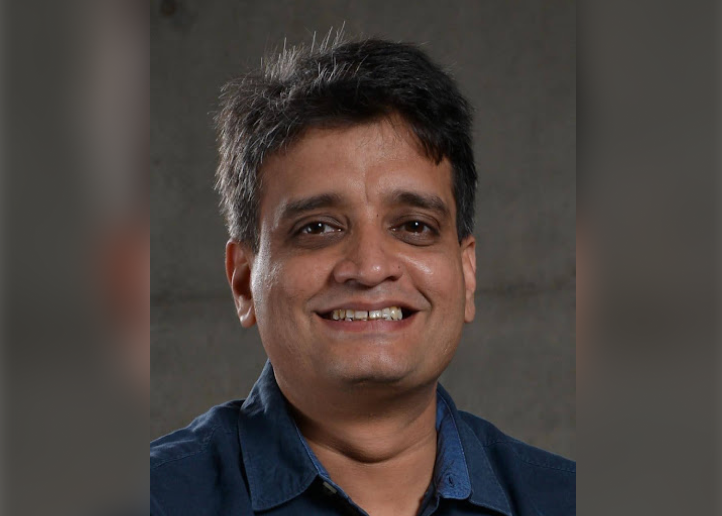
Vishwanath Kashikar is a Professor at CEPT University working across architectural education and urban housing in India. His research and teaching examine how architecture engages with the social, economic, and regulatory forces shaping contemporary housing. Alongside housing studios and courses, he conducts pedagogy and curriculum design workshops with institutions across India, focusing on studio methods and educational frameworks. His work connects questions of teaching with questions of practice, exploring how architectural education can respond to large scale societal and spatial challenges.
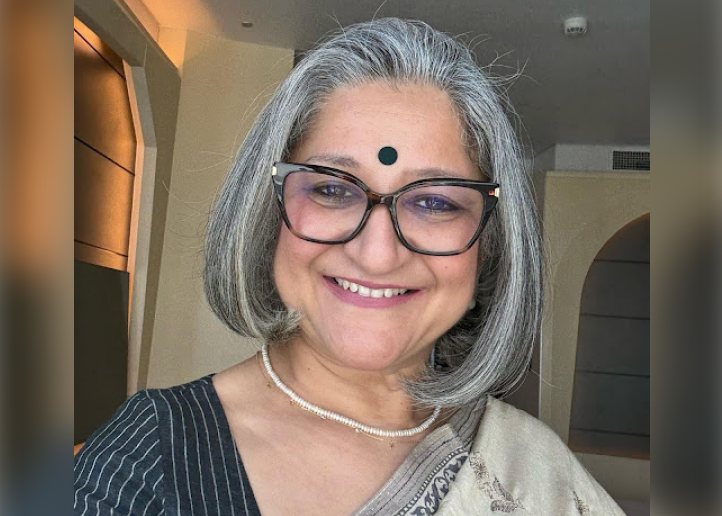
Dr. Riri G. Trivedi is the Co-Founder of Wellness Space and the Society for Energy and Emotions (SEE). She is an evidence-based psychotherapist and life coach specializing in Adverse Childhood Experiences (ACE), Inner Child Integration, and clinical hypnotherapy. She holds a PhD for her research on Adverse Childhood Experiences and their relationship with anxiety, depression, and subjective well-being among adults in India, and has published several research papers on childhood trauma and mental health in leading journals. She is the author of This Book Won't Teach You Parenting , published by Penguin Random House India. She has also co-authored What Happened to Me? vs What's Wrong with Me?: Indian Perspectives on Childhood Trauma and Recovery , published by Ebury Press, Penguin Random House India, which explores childhood trauma and recovery from an Indian perspective. In addition, she has co-authored Breast Cancer: Medical Treatment, Side Effects, and Complementary Therapies. Her work is dedicated to helping individuals understand their inner world, heal from past experiences, and build emotionally healthier lives.
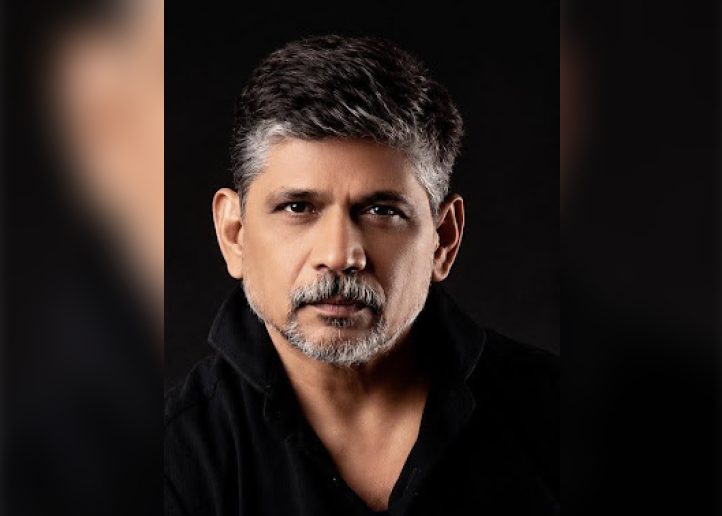
Ar. Vivek Gupta is Principal Architect of Arvind Vivek Associates, New Delhi, with 36 years of practice across Architecture, Urban Design, and Interiors, working on projects in India and abroad. His studio's methodology blends collaborative research, material innovation, and climatic responsiveness into a design approach distinct to each project, spanning master planning, housing, educational institutions, corporate interiors, and institutional buildings. Active in architectural education since 1990 and associated with the IBC, he is a Senator on the Academic Senate at SPA Delhi and visiting faculty at Sushant School of Architecture, with thesis jury roles at CCA Chandigarh, Priyadarshini School Nagpur, Sushant School, and Sharda University, plus curriculum and faculty-selection contributions at SPA Delhi.
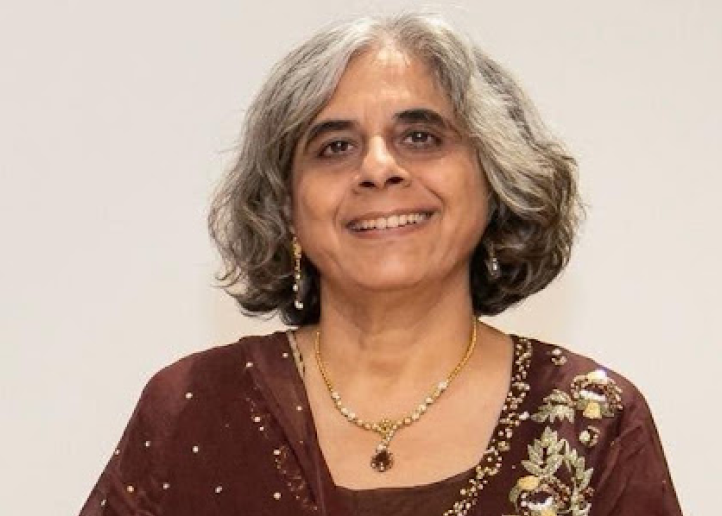
Deepa Sonpal, with more than three decades of experience in working with and for inclusion of vulnerable populations in the development process-i.e. persons with disabilities, tribal, women and dalits and gener equality. Have worked at reforming governance systems at the State as well as the local governance systems at the panchayat/ village level.The focus of the work has been primarily to enable access to government schemes and public programs. Worked on inclusion of vulnerable population in disaster risk reduction and in the law making process and policy advocacy.
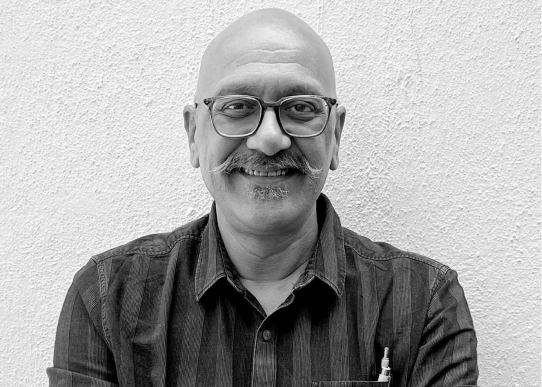
Tarun Deep Girdher is an Indian design educator, mentor and graphic designer with a passion for letterforms, printed ephemera and letterpress. He is a Professor of Graphic Design at National Institute of Design Ahmedabad. With over 28 years of consolidated experience in design education, professional design practice, and leadership roles in academic governance, he has served on several important committees leading to transformative reforms in academics, design research, publications and governance. He has designed more than 64 logos & over 40 publications in both English and Indian scripts. His research areas and personal practice revolves around exploring cross-cultural identities through letterforms and calligraphy. His Gurmukhi Calligraphy work has been exhibited in several exhibitions both across India and abroad. A keynote speaker at various national and international conferences on Typography, Letterforms and Cultural identities, He is also the founder-curator of the popular @35daysofgurmukhi on instagram.
Niraj Shah, an alumnus of School of Interior Design, CEPT, Ahmedabad, co-founded ido design and ido graph 22 years back, with his partner and wife Minali Verma , also a CEPT alumni. ido design, is a multi disciplinary firm with 2 main verticals, Interior Design and Graphic Design. idograph, the Graphic design arm works on Brand Identity, Strategy and Advertising. A Tedx Speaker, Niraj was also on board the Oscars Panel as Art Director, for selection of Indian Film representation at the Academy Awards 2020.On the National Executive Committee of IIID 2022-25, and Past Chairperson IIID Ahmedabad Regional Chapter, 2017-2019.
Anurita Rathore Jadeja is a senior journalist, author and speaker. Along with writing she is engaged with several initiatives in arts, literature and lifestyle. Anurita has been with The Indian Express, Ahmedabad Mirror of The Times of India and has written for publications including India Today and The Hindu among others. Known for her unique flair for writing, she co-authored Kailash Mansarovar Cycle Rides Soul Journeys (Readonmania Publishers) followed by Success Mantras and Musings (Vitasta Publishers) and is currently working on her next book.
Vishwanath Kashikar is a Professor at CEPT University working across architectural education and urban housing in India. His research and teaching examine how architecture engages with the social, economic, and regulatory forces shaping contemporary housing. Alongside housing studios and courses, he conducts pedagogy and curriculum design workshops with institutions across India, focusing on studio methods and educational frameworks. His work connects questions of teaching with questions of practice, exploring how architectural education can respond to large scale societal and spatial challenges.
Dr. Riri G. Trivedi is the Co-Founder of Wellness Space and the Society for Energy and Emotions (SEE). She is an evidence-based psychotherapist and life coach specializing in Adverse Childhood Experiences (ACE), Inner Child Integration, and clinical hypnotherapy. She holds a PhD for her research on Adverse Childhood Experiences and their relationship with anxiety, depression, and subjective well-being among adults in India, and has published several research papers on childhood trauma and mental health in leading journals. She is the author of This Book Won't Teach You Parenting , published by Penguin Random House India. She has also co-authored What Happened to Me? vs What's Wrong with Me?: Indian Perspectives on Childhood Trauma and Recovery , published by Ebury Press, Penguin Random House India, which explores childhood trauma and recovery from an Indian perspective. In addition, she has co-authored Breast Cancer: Medical Treatment, Side Effects, and Complementary Therapies. Her work is dedicated to helping individuals understand their inner world, heal from past experiences, and build emotionally healthier lives.
Ar. Vivek Gupta is Principal Architect of Arvind Vivek Associates, New Delhi, with 36 years of practice across Architecture, Urban Design, and Interiors, working on projects in India and abroad. His studio's methodology blends collaborative research, material innovation, and climatic responsiveness into a design approach distinct to each project, spanning master planning, housing, educational institutions, corporate interiors, and institutional buildings. Active in architectural education since 1990 and associated with the IBC, he is a Senator on the Academic Senate at SPA Delhi and visiting faculty at Sushant School of Architecture, with thesis jury roles at CCA Chandigarh, Priyadarshini School Nagpur, Sushant School, and Sharda University, plus curriculum and faculty-selection contributions at SPA Delhi.
Deepa Sonpal, with more than three decades of experience in working with and for inclusion of vulnerable populations in the development process-i.e. persons with disabilities, tribal, women and dalits and gener equality. Have worked at reforming governance systems at the State as well as the local governance systems at the panchayat/ village level.The focus of the work has been primarily to enable access to government schemes and public programs. Worked on inclusion of vulnerable population in disaster risk reduction and in the law making process and policy advocacy.
Tarun Deep Girdher is an Indian design educator, mentor and graphic designer with a passion for letterforms, printed ephemera and letterpress. He is a Professor of Graphic Design at National Institute of Design Ahmedabad. With over 28 years of consolidated experience in design education, professional design practice, and leadership roles in academic governance, he has served on several important committees leading to transformative reforms in academics, design research, publications and governance. He has designed more than 64 logos & over 40 publications in both English and Indian scripts. His research areas and personal practice revolves around exploring cross-cultural identities through letterforms and calligraphy. His Gurmukhi Calligraphy work has been exhibited in several exhibitions both across India and abroad. A keynote speaker at various national and international conferences on Typography, Letterforms and Cultural identities, He is also the founder-curator of the popular @35daysofgurmukhi on instagram.